Three routes most international patients compare
In China, foreign patients usually choose between three care settings: regular public outpatient clinics, public-hospital international departments, and premium private hospitals. The best option depends less on disease name alone and more on your budget, language needs, urgency, and tolerance for process complexity.
Regular public outpatient
Best if you want the lowest hospital cost and are comfortable with a fast-paced local public-hospital environment.
- Lowest cost option
- Usually more crowded and less private
- Better for Chinese-speaking or locally supported patients




Public international department
Best if you want access to top public-hospital specialists with a more manageable experience than regular outpatient.
- Strong fit for complex and multidisciplinary cases
- Usually better English and smoother flow than regular outpatient
- More expensive than regular public clinics, but often below private hospitals
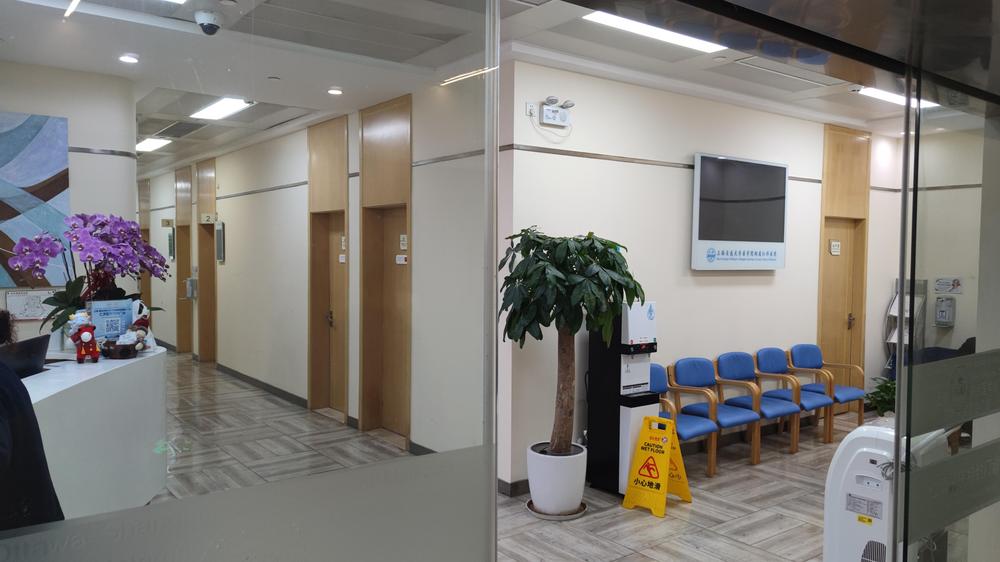

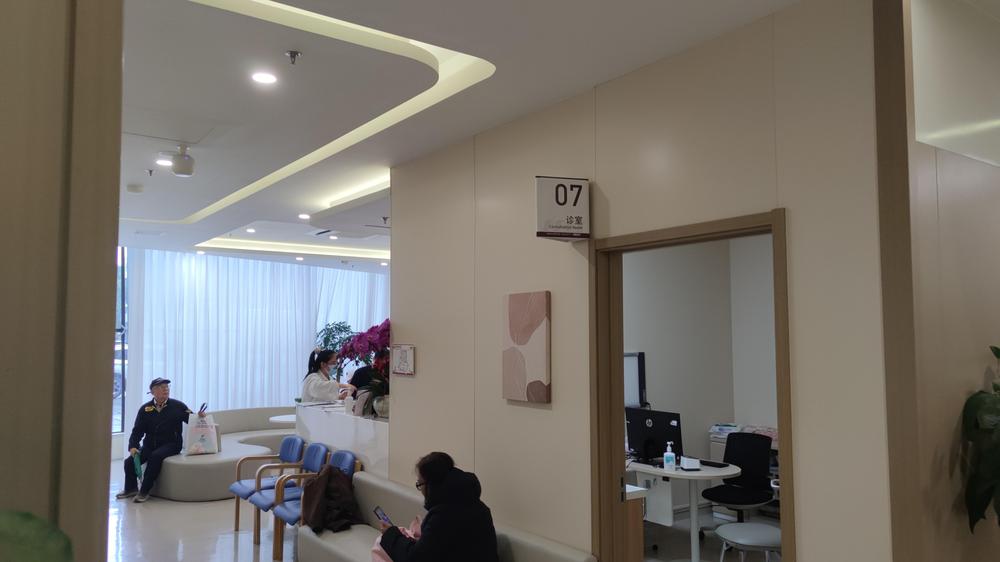

Premium private hospital
Best if you prioritize privacy, stronger English support, shorter waits, and a more predictable first visit.
- Most international-patient-friendly service flow
- Usually easiest for first-time visitors to China
- Highest cost overall




Core comparison table
This table focuses on what foreign patients usually care about most in real decision-making.
| Dimension | Regular Outpatient | Public International Department | Premium Private Hospital |
|---|---|---|---|
| Cost level | Lowest Most budget-sensitive route |
Medium Higher than regular outpatient, usually below premium private care |
Highest Premium pricing for environment, convenience, and service |
| English support | Often limited and inconsistent outside major counters or doctor interactions | Usually better, especially in dedicated international clinics | Usually strongest, with multilingual teams and smoother communication |
| Process convenience | Patients usually handle registration, payment, testing, and navigation themselves | More guided and usually less chaotic than standard public outpatient | Most streamlined; usually the easiest arrival-to-checkout process |
| Waiting and appointment predictability | Often the least predictable, especially in busy departments | More structured bookings, but still depends on hospital and specialist demand | Usually the most predictable for scheduling and on-site timing |
| Privacy | Lowest privacy in waiting and care flow | Better privacy than regular outpatient | Usually best privacy and quietest environment |
| Room environment | Mostly shared wards — lower cost but noisy with limited privacy | Private rooms only — quiet, low traffic, good privacy | Private rooms only — quiet, low traffic, good privacy |
| Best for complex cases | Possible, but the process can be difficult for overseas patients | Often the best balance for complex cases needing top public specialists | Good when private coordination matters, but not always the first choice for every ultra-complex referral |
| Best for first-time visitors to China | Usually not ideal unless you have strong local support | Partly suitable if translation and navigation are arranged | Usually the easiest route for first-time foreign patients |
| Who usually chooses it | Budget-focused patients, local residents, or patients with Chinese-speaking family support | Patients wanting top public-hospital expertise without the full friction of regular outpatient | Patients prioritizing efficiency, English, privacy, family support, or a smoother care journey |
Actual experience still varies by hospital, department, doctor schedule, and whether a dedicated international clinic is available.
Who is each route best for?
Budget first
Choose regular outpatient or a public international department.
- Regular outpatient if you can manage a local-style process
- Public international department if you want a better balance of cost and support
Efficiency and English first
Choose a public international department or a premium private hospital.
- Public international department if you still want top public-hospital experts
- Private hospital if service smoothness matters most
Privacy and experience first
Choose a premium private hospital.
- Best for business travelers, families, and first-time visitors
- Usually easiest for coordinated checkups, women and children, and lower-friction follow-up
Complex multidisciplinary care first
Choose a top public hospital international department in most cases.
- Usually the strongest fit when several departments need to work together
- Often the best balance between top specialist depth and a more manageable pathway for overseas patients
Real-life scenarios
I am visiting China for the first time and do not speak Chinese. What should I choose?
Most first-time visitors do better with a public international department or a premium private hospital. Regular outpatient is usually the hardest route unless you already have strong local support.
I want the fastest path to a senior specialist. What should I choose?
If your case is complex and needs a top public expert, a public international department is often the strongest option. If speed and predictability matter more than cost, a private hospital may feel easier.
I want to control budget but still need help with the process.
A public international department is usually the best middle ground. It is often more manageable than regular outpatient, but not as expensive as premium private care.
My case may need several departments working together.
Top public hospitals with international departments are often the strongest fit for complex multidisciplinary care. Private hospitals can still help, but the best route depends on whether the needed specialists are already integrated there.
Need help deciding which route fits your case?
We can help compare public international departments and premium private hospitals based on your records, language needs, budget, and travel timing.
- Qualified hospitals only
- Hospital fees paid directly to the provider
- Non-clinical coordination only
- Patient data shared only within the authorized scope