Hospital Overview
Institutional History and Positioning
Founded in 1864 by French Consuls, Shanghai General Hospital (SGH) is one of the earliest Western-medicine hospitals established in China and remains one of the country's largest comprehensive public academic medical centers. The hospital has evolved through multiple historical stages, from Gong Ji Hospital (1877) to Shanghai Municipal First People's Hospital (1953), and since 2002 has served as the First People's Hospital Affiliated with Shanghai Jiao Tong University.
SGH was among the first institutions in China to be accredited as a Class A Tertiary General Hospital by the National Ministry of Health (1992), representing the highest level within China's hospital classification framework. For more than 25 consecutive years, the hospital has been recognized by the Shanghai Municipal Government as a model public institution, reflecting sustained performance in governance, public service delivery, and institutional management.
Scale and Integrated Operations
Operating across two campuses (Hongkou and Songjiang), SGH functions as a large-scale integrated healthcare system with approximately 2,580 operational beds and more than 4,000 staff, including over 1,200 physicians and 1,600 nurses. Annual clinical volume exceeds 3.7 million outpatient visits, 110,000 inpatient admissions, and 80,000 surgical procedures, demonstrating significant operational capacity comparable to major metropolitan academic medical centers globally.
Regional Leadership and Strategic Development
Entrusted by the Shanghai municipal government, SGH also provides administrative and clinical management oversight for four regional hospitals, reinforcing its role as a regional healthcare network leader. The hospital maintains collaborative partnerships with public hospitals across neighboring provinces and international academic institutions.
SGH positions itself as a modern, research-driven academic hospital focused on cost-effective care delivery, operational efficiency, and high standards of clinical quality and management aligned with global healthcare development trends.

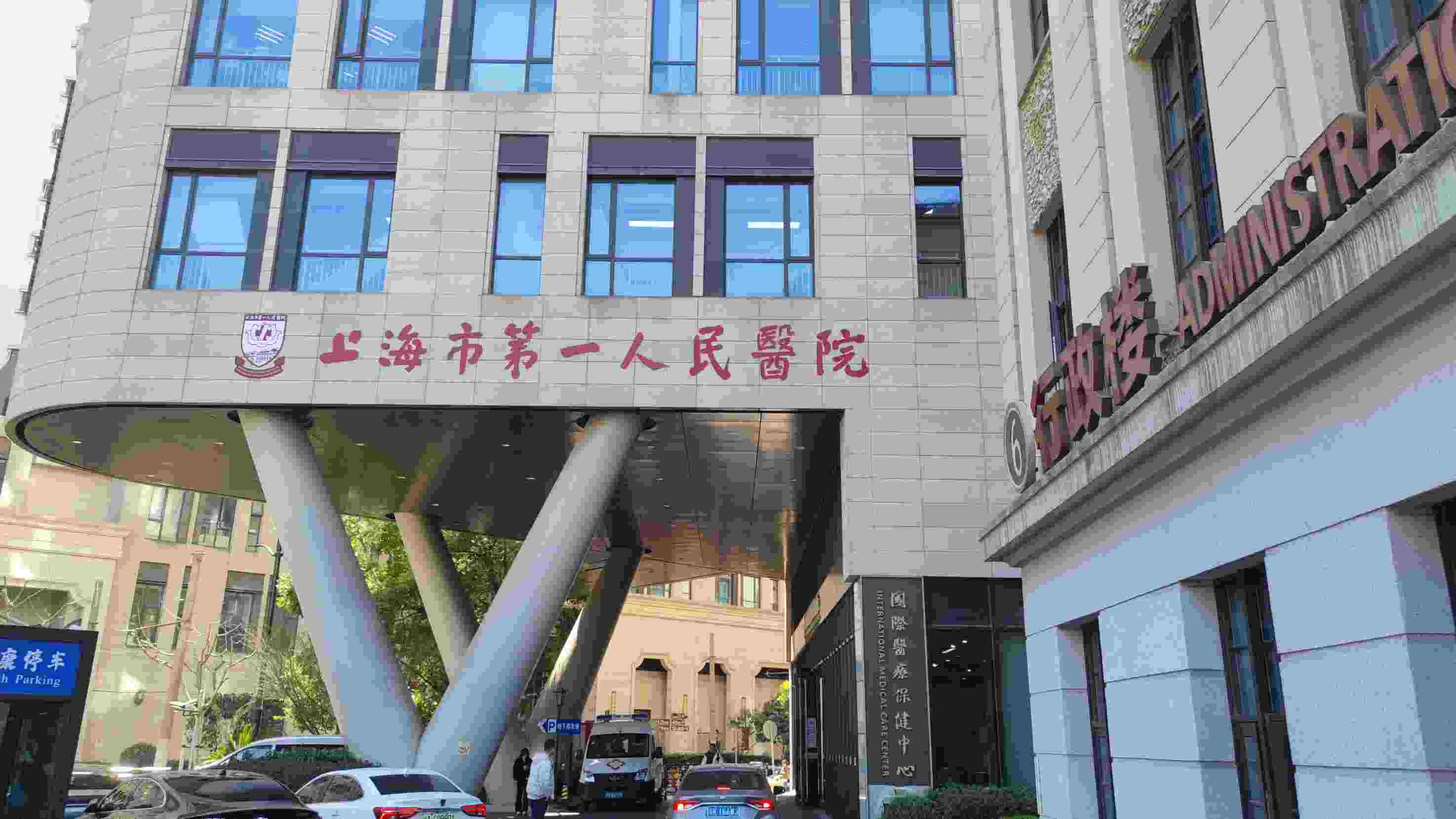
Key Highlights
Institutional Scale & Governance
- Established in 1864, with over 150 years of continuous clinical operation and institutional development.
- Nationally accredited Class A Tertiary General Hospital, equivalent to the highest level of comprehensive hospital designation in China.
- Dual-campus system covering 303,333 m², currently the largest hospital footprint in Shanghai.
- Workforce of 4,003 healthcare professionals, supporting high patient throughput and multidisciplinary care delivery.
- Government-appointed management responsibility for four additional public hospitals, demonstrating mature governance capability and system-level operational leadership.
Clinical Excellence & Specialty Strengths
- 48 clinical departments and 53 inpatient wards, delivering comprehensive tertiary and quaternary care.
- Eight National Key Clinical Disciplines, including cardiology, ophthalmology, urology, respiratory medicine, gastroenterology, general surgery, obstetrics & gynecology, oncology, and clinical pharmacology.
- Multiple Shanghai-designated specialty centers, including:
- Organ Transplantation Clinical Center
- Cardiac Emergency Center
- Emergency Trauma Center
- Visual Rehabilitation Medical Center
- Recognized by the National Ministry of Health as an Endoscopic Training Base, reflecting procedural volume, standardized training capability, and clinical quality assurance.
- Strong multidisciplinary collaboration across specialties such as orthopedics, neurosurgery, hematology, critical care, endocrinology, rehabilitation medicine, and geriatric care.
Research & Academic Impact
- Strategic focus on becoming a research-driven academic medical center aligned with international standards.
- Active collaboration with globally recognized medical schools and hospitals.
- Two Shanghai Key Laboratories (ocular fundus disease and pancreatic disease) with ongoing development of an intestinal micro-ecology research platform.
- Over the past five years:
- 225 national-level research grants
- 491 provincial-level funded projects
- Approximately 1,100 SCI-indexed publications
- Research published in leading peer-reviewed journals including Nature Medicine, Nature Biotechnology, The Lancet, New England Journal of Medicine, Gut, Gastroenterology, and Cancer Research, demonstrating international academic visibility and scientific rigor.
Operational Performance & Patient Care
- Annual clinical activity:
- 3.77 million outpatient visits
- 110,000+ inpatient admissions
- ~80,000 surgeries
- Emphasis on delivering high-efficiency, cost-conscious healthcare while maintaining strong clinical and management quality standards.
- Integrated clinical, teaching, and research model comparable to major academic health systems in developed healthcare markets.
Key Specialized Departments Overview
Ophthalmology
Designated as a national-level clinical specialty, the Ophthalmology Department delivers comprehensive diagnosis and treatment for cataracts, glaucoma, and retinal disorders. Care is supported by advanced imaging and surgical technologies, standardized clinical protocols, and extensive procedural experience aligned with international ophthalmic practice.
Urology
A longstanding center of clinical excellence, the Urology Department provides evidence-based management of urologic tumors, urinary calculi, and prostate diseases. The team emphasizes minimally invasive and endoscopic techniques to enhance patient safety, recovery outcomes, and procedural efficiency.
Obstetrics and Gynecology
The department offers integrated women's health services across the full continuum of care, including prenatal management and treatment of complex gynecological conditions such as endometriosis and gynecologic malignancies. Services are delivered under structured clinical governance and quality-focused care pathways.
Clinical Pharmacy
The Clinical Pharmacy Department supports safe, effective, and evidence-based medication use through pharmacovigilance, medication therapy management, and multidisciplinary clinical consultation. Its practices align with modern pharmaceutical care standards and medication safety frameworks.
Oncology
The Oncology Department provides multidisciplinary cancer care encompassing chemotherapy, radiotherapy, and targeted therapies. Treatment planning follows standardized clinical pathways and emphasizes personalized, evidence-informed therapeutic strategies.
Respiratory Medicine
Specializing in both acute and chronic respiratory diseases, the department manages conditions including pneumonia, asthma, and chronic obstructive pulmonary disease (COPD). Care delivery integrates guideline-based treatment, modern diagnostics, and coordinated long-term disease management.
Otolaryngology (ENT)
The ENT Department delivers comprehensive medical and surgical treatment for ear, nose, and throat disorders, including otitis media, sinus disease, and laryngeal tumors, supported by advanced diagnostic and operative capabilities.
Orthopedics
The Orthopedics Department provides surgical and non-surgical management of fractures, joint disorders, and spinal conditions. Advanced orthopedic techniques and standardized perioperative care protocols support improved functional recovery and patient outcomes.
Cardiology
The Cardiology Department offers comprehensive cardiovascular care covering coronary artery disease, arrhythmias, and heart failure. Services include advanced diagnostic evaluation, interventional therapies, and structured follow-up aligned with contemporary cardiology standards.
Neurosurgery
The Neurosurgery Department specializes in complex surgical management of brain tumors, cerebrovascular diseases, and spinal cord disorders. Care is delivered using modern neurosurgical techniques within a multidisciplinary framework focused on safety and clinical quality.
International Patient Services
Overview of International Medical Services
International Medical Care Center was founded in 1993 as a first joint-venture medical facility. Its medical service includes clinical treatment, health care, and physical examinations. IMCC has provided medical support for international events and VIPs, such as Mr. Gore, and has served as a designated hospital for APEC, the Olympic Games, and World Expo 2010.
IMCC offers a wide range of services including 24-hour emergency, outpatient and inpatient treatment, VIP physical examinations, immigration physical examinations, home-visit services, and overseas repatriation support.
IMCC maintains close collaboration with world-famous rescue organizations, medical insurance companies, consulates in Shanghai, and multinational corporations, providing high-quality medical treatment for their members.
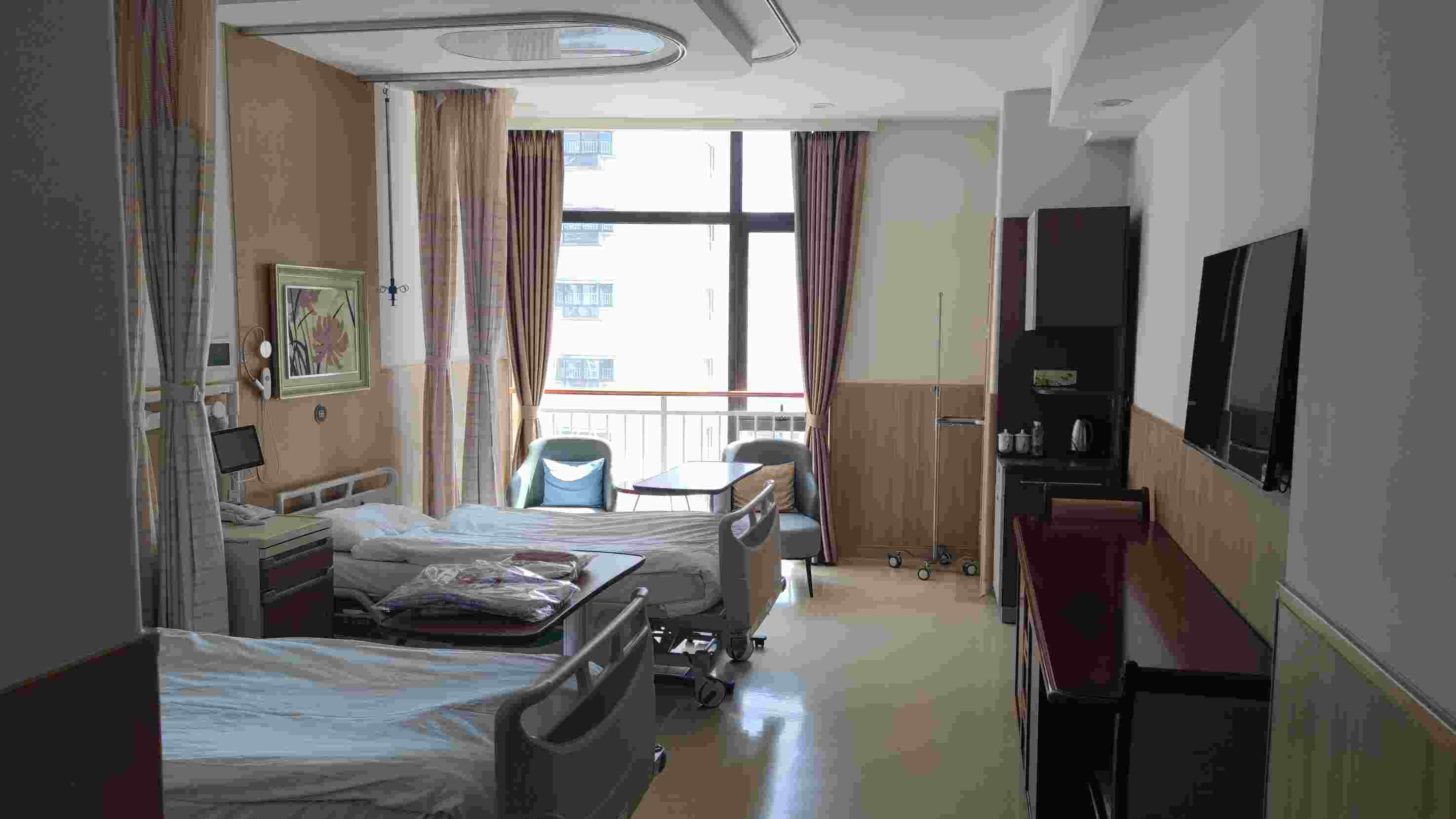
There are 70 VIP rooms in IMCC, including 4 central monitoring rooms and 4 VIP suites. The inpatient department of the northern division is located from the 2nd to 4th floor of the IMCC building, while the southern division is located on the 10th floor of the main building. Its professional medical team has completed many successful rescues of foreign patients with acute myocardial infarction, severe pancreatitis, and other critical conditions, earning strong recognition from domestic and international patients.
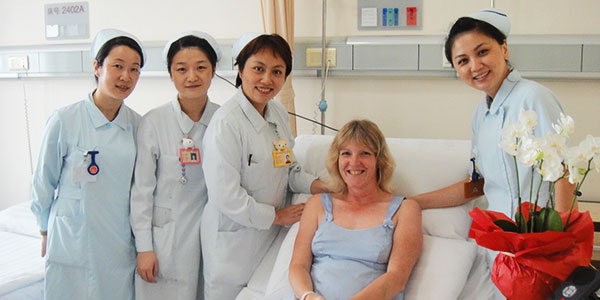
- Comfortable family-style environment and comprehensive medical service
- Hotel-style management and full-level service
- High-quality medical service and professional nursing staff
- Consultation by experts within SGH or from other hospitals in Shanghai
- Free Wi-Fi
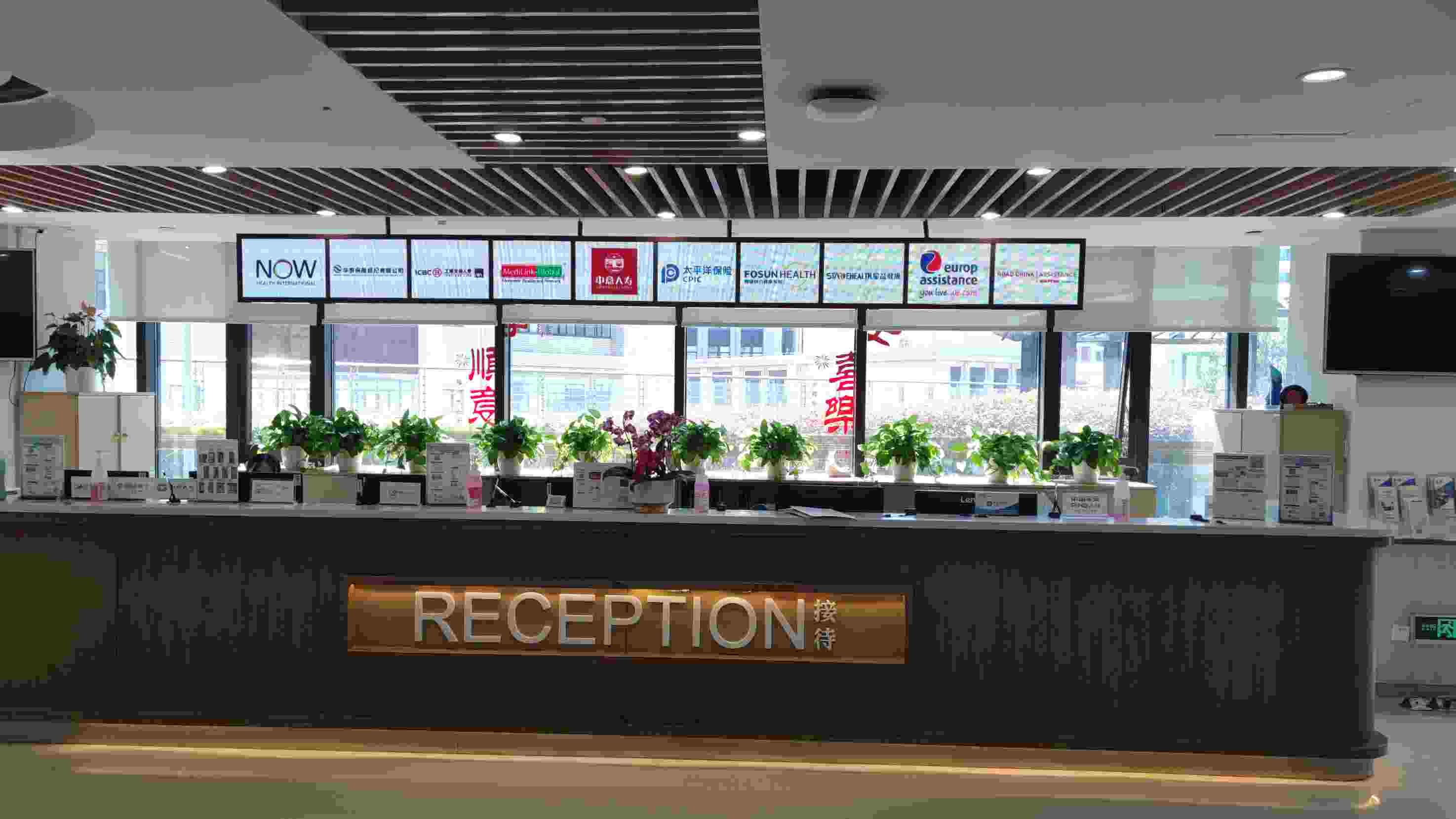

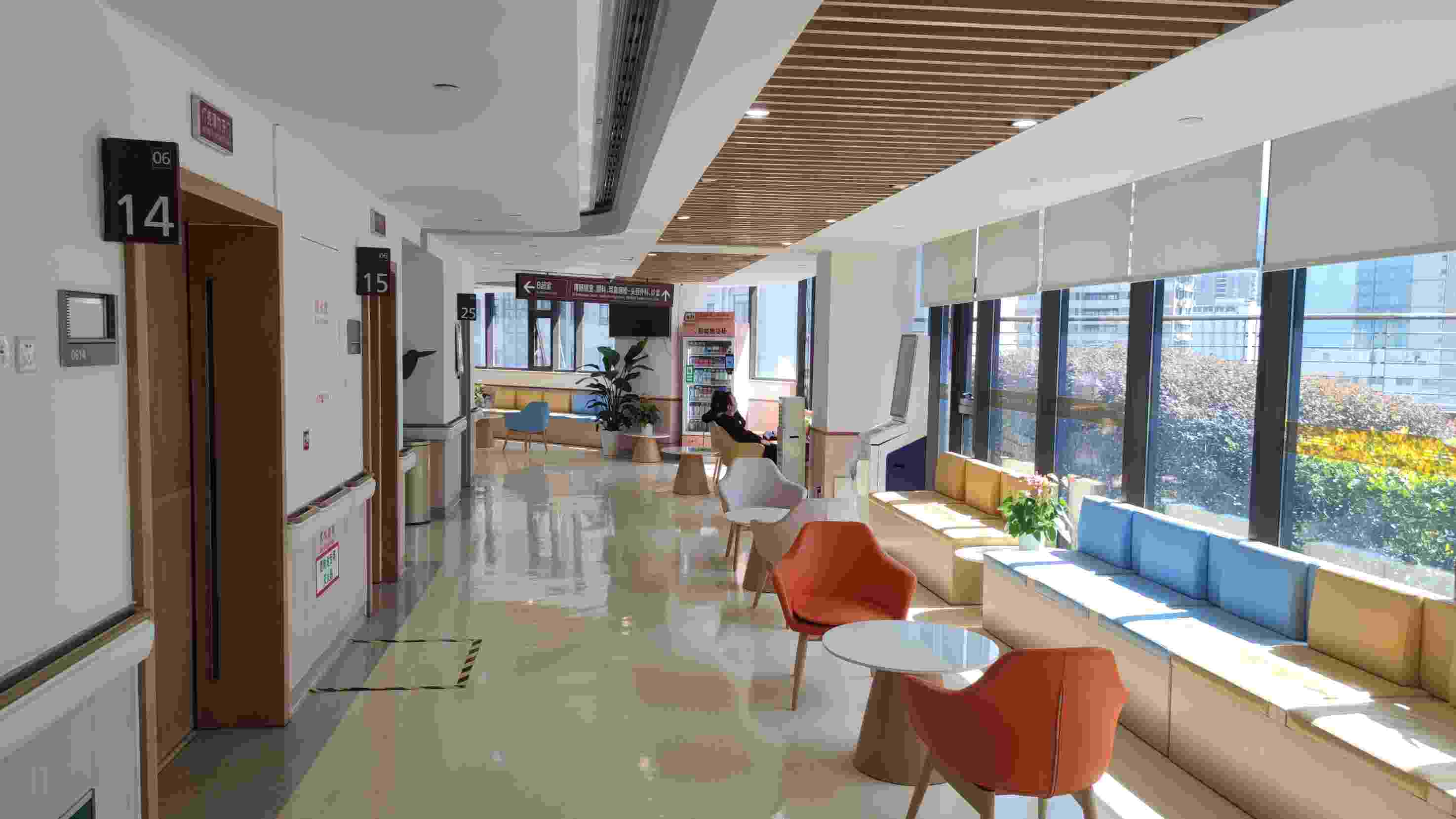
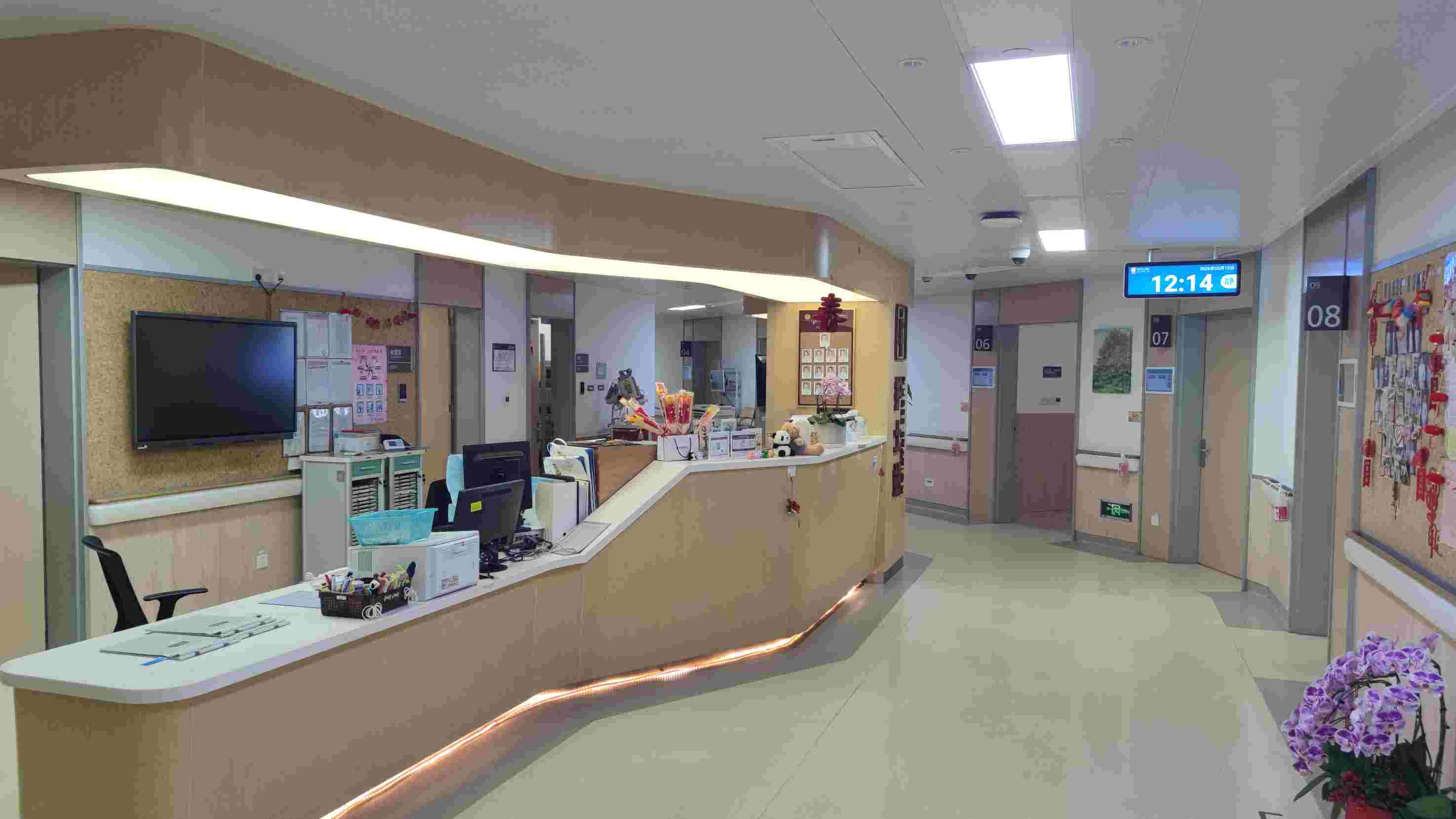
1. Appointment Methods
- 1) WeChat / App: Follow the official account “上海市第一人民医院IMCC”, register with passport information, and choose the relevant department. Daily slots are released at 7:30 AM, with booking up to 14 days in advance.
- 2) Hongkou North Campus Phone: (+8621) 63243852. This switchboard provides English support during office hours.
2. Fees & Payment
- 1) Consultation service: RMB 300-1000.
- 2) Standard single inpatient room: approximately RMB 4000/person/day.
- 3) Surgery and treatment fees follow the basic medical service price schedule.
3. Outpatient Hours
- Monday-Friday 8:00-16:30
- Break time: 11:30-13:30
3. Address Info
- 5.1 North Campus: Building 12, No. 86 Wujin Road, Hongkou District
- Shanghai General Hospital International Medical Care Center (North Campus)
- Outpatient: 6F
- Inpatient: Floors 9-10
- 5.2 South Campus: No. 650 Songjiang Road, Shanghai
- Shanghai General Hospital International Medical Care Center (South Campus)
3. Service Languages
- English, Mandarin.