Hospital Overview
Founded in 1907, Huashan Hospital, Fudan University is one of China's earliest modern academic medical centers and among the country's most internationally recognized institutions for integrated clinical care, medical education, and biomedical research. Originally established by the Chinese Red Cross as China's first Chinese-run modern hospital, Huashan Hospital has played a foundational role in training generations of physicians and advancing modern medicine in China.
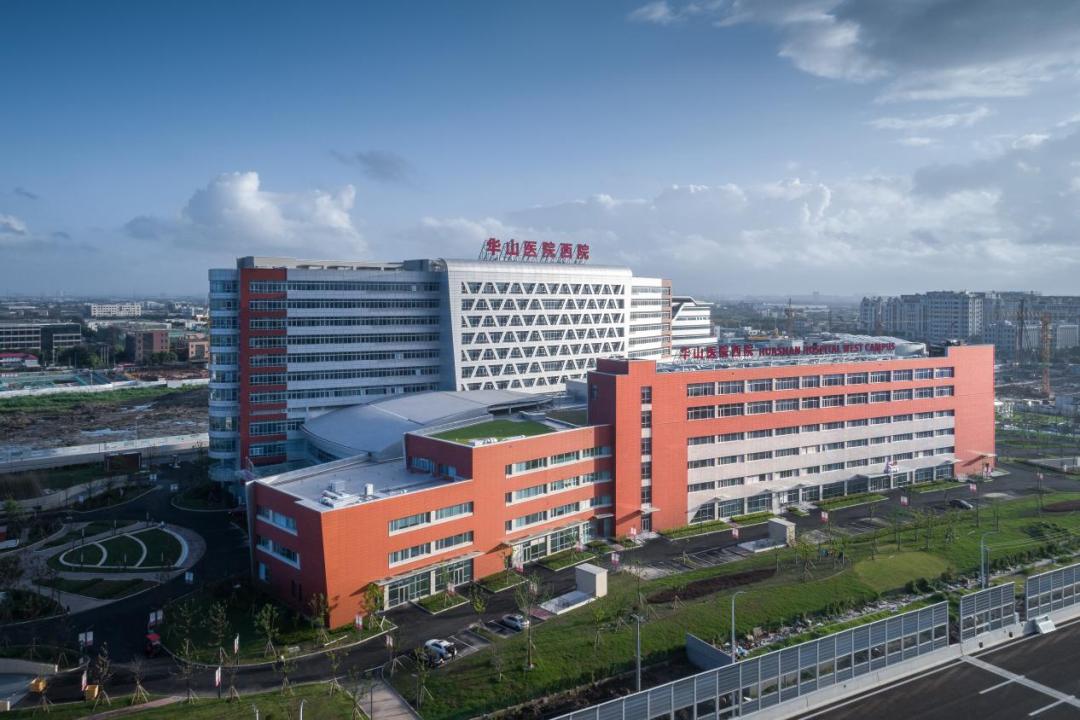
The hospital was among the first institutions in China accredited as a Class III Grade A (tertiary-level) hospital, the nation's highest hospital designation, reflecting comprehensive clinical capability, quality governance, and advanced academic standards. It operates under the National Health Commission, is affiliated with Fudan University, and carries Red Cross designation. Today, the hospital functions as a large-scale academic health system with multiple campuses across Shanghai (Main Campus, Pudong, Hongqiao, and Baoshan).
Huashan Hospital maintains 3,142 licensed beds, including 450 research-dedicated beds, and operates 44 clinical and medical technology departments. It hosts several national-level medical centers, including the National Center for Neurological Disorders, the National Center for Infectious Diseases, and the National Clinical Research Center for Geriatric Diseases, positioning the institution as a national referral hub for complex and high-acuity care.
With more than 6,000 staff members, over 80% of whom are healthcare professionals, the hospital brings together a highly credentialed clinical workforce, including more than 800 senior specialists and nationally recognized academic leaders. The institution consistently ranks in the top tier of China's national hospital performance evaluations (A++ rating).
Huashan Hospital delivers high-volume, high-complexity care, managing annually over 6 million outpatient and emergency visits, approximately 200,000 inpatient discharges, and more than 100,000 surgical procedures. It was also Shanghai's first hospital to provide dedicated international medical services and has treated more than 600,000 international patients from over 100 countries and regions, serving as a designated medical provider for multiple foreign consulates and major international events.
Key Highlights
Clinical Excellence and National Leadership
- Nationally designated centers for neurological diseases, infectious diseases, and geriatric medicine.
- 20 National Key Clinical Specialties spanning neurology, neurosurgery, orthopedics, dermatology, endocrinology, oncology, rehabilitation medicine, medical imaging, and laboratory medicine.
- Large-scale tertiary referral center delivering complex multidisciplinary care with strong subspecialty depth.
- Proven operational capability supporting large international events and government-level medical assurance programs.
Quality Governance and System Scale
- Accredited Class III Grade A hospital, China's highest regulatory classification, comparable to leading tertiary academic medical centers globally.
- Multi-campus integrated health system supporting coordinated clinical operations and standardized care pathways.
- National specialty quality-control responsibilities (including dermatology and sexually transmitted disease programs under development), reflecting leadership in clinical standards and benchmarking.
Research Impact and Academic Output
- Recipient of multiple National Science and Technology Progress Awards, including First Prize (2024).
- Over 420 nationally funded research grants and more than 4,200 peer-reviewed publications, with 2,900+ indexed in SCI journals.
- Landmark clinical innovation published in The New England Journal of Medicine (NEJM), demonstrating internationally recognized translational research capability.
- Extensive research infrastructure including national and municipal key laboratories and clinical research centers.
Medical Education and Workforce Development
- Major academic teaching hospital of Fudan University, training more than 2,000 medical students and trainees annually.
- 21 doctoral and postdoctoral training platforms with comprehensive graduate education coverage.
- 20 nationally accredited residency training programs and 27 specialty physician training bases aligned with standardized medical education frameworks.
- More than 120 accredited continuing medical education (CME) programs annually.
International Collaboration and Global Engagement
- Long-standing academic partnerships with leading global institutions including Harvard Medical School, Massachusetts General Hospital, and Technical University of Munich's Rechts der Isar Hospital.
- Active participation in international conferences and academic exchanges across more than 40 countries.
- Strong track record in cross-border clinical services and international patient care.
Key Specialized Departments Overview
Neurosurgery
The Neurosurgery Department is widely recognized as one of the pioneering centers for modern neurosurgery in China, with a long-standing clinical and academic legacy. It delivers comprehensive care for brain tumors, cerebrovascular disorders, traumatic brain injury, and functional neurosurgery, supported by internationally aligned multidisciplinary pathways and advanced perioperative protocols.
Neurology
The Neurology Department is one of the leading comprehensive neuroscience programs in China. Core strengths include cerebrovascular disease, Parkinson's disease and movement disorders, epilepsy, neuromuscular diseases, and cognitive impairment. Advanced diagnostics and coordinated rehabilitation services support evidence-based treatment delivery.
Dermatology
As one of China's largest integrated dermatology centers, the department provides comprehensive management of psoriasis, vitiligo, acne, eczema, fungal disease, and complex inflammatory skin disorders. Services include dermatopathology, laser treatment, and photodynamic therapy with strong research-to-clinic integration.
Infectious Diseases
The Infectious Diseases Department is a major tertiary referral center for viral hepatitis, HIV/AIDS, fever of unknown origin, and severe infections such as sepsis. It emphasizes rapid diagnostics, individualized treatment planning, and coordinated inpatient management under modern governance frameworks.
Hand Surgery
The Hand Surgery Department is a foundational center in China for reconstructive and microsurgical care. It specializes in complex trauma, functional reconstruction, peripheral nerve repair, finger replantation, and free tissue transfer, with integrated rehabilitation pathways aimed at optimal long-term outcomes.
International Patient Services
Key Features of International Medical Services
Institutional Overview
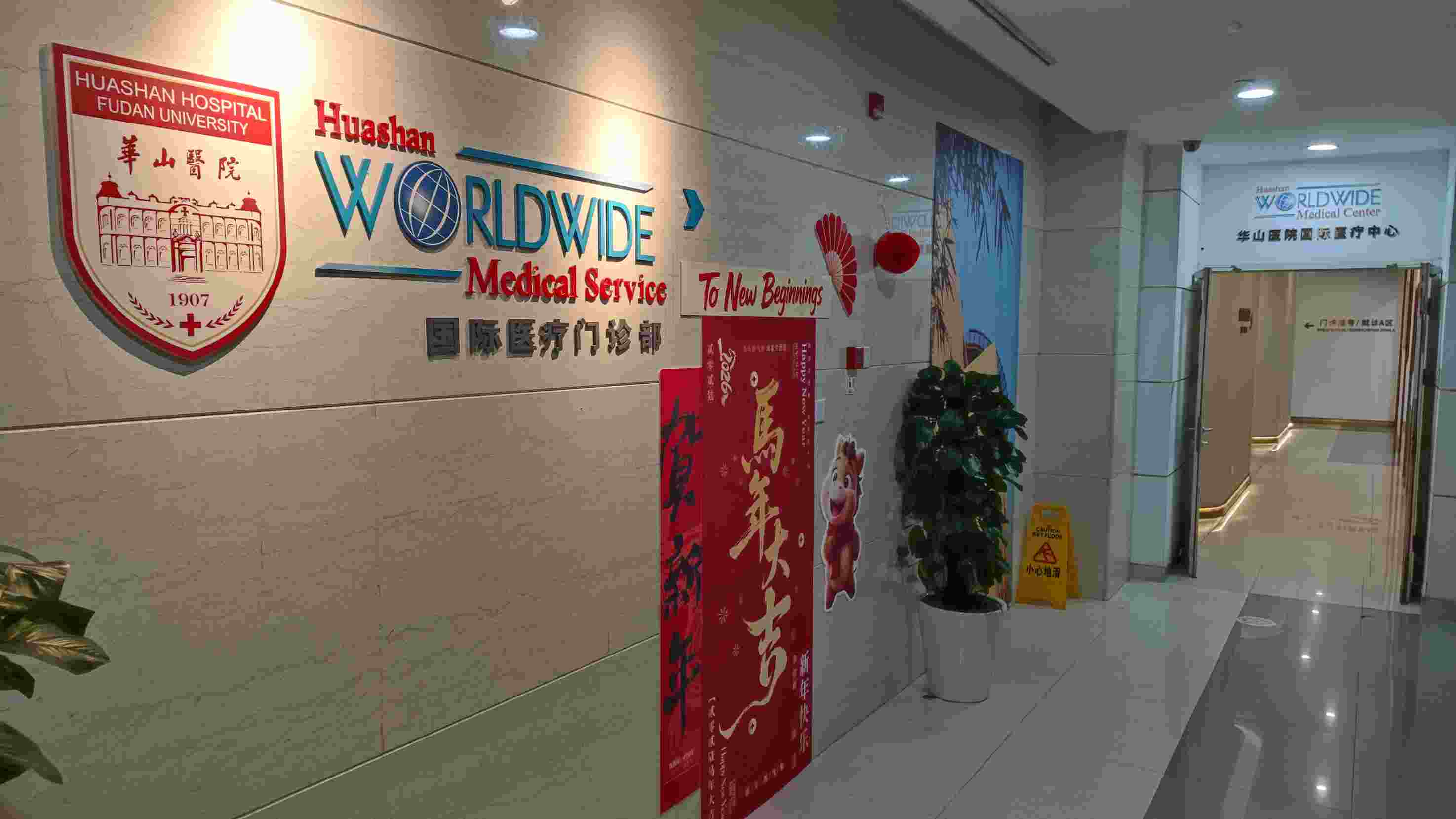
Established in 1989, the International Medical Center (IMC) of Huashan Hospital, Fudan University, is among the earliest providers of international healthcare services in Shanghai and China. The center delivers integrated services including clinical care, preventive medicine, health management, vaccination, cross-cultural medical support, and cross-border medical coordination.
To date, the IMC has provided more than one million outpatient and emergency visits to patients from over 100 countries and regions, with international patients accounting for approximately 50% of case volume. Annual outpatient visits average 40,000, and the hospital maintains one of the largest volumes of inpatient care for foreign nationals in Shanghai.
A fully structured governance model integrates medical, nursing, pharmacy, administration, finance, and operational support functions, enabling coordinated care delivery and standardized management processes. Operational planning includes clinical quality management, international service development, insurance collaboration, and strategic communications. Guided by the principle of "clinical excellence with premium service," the center aims to serve as a leading platform for international healthcare collaboration in China.
Facilities and Environment
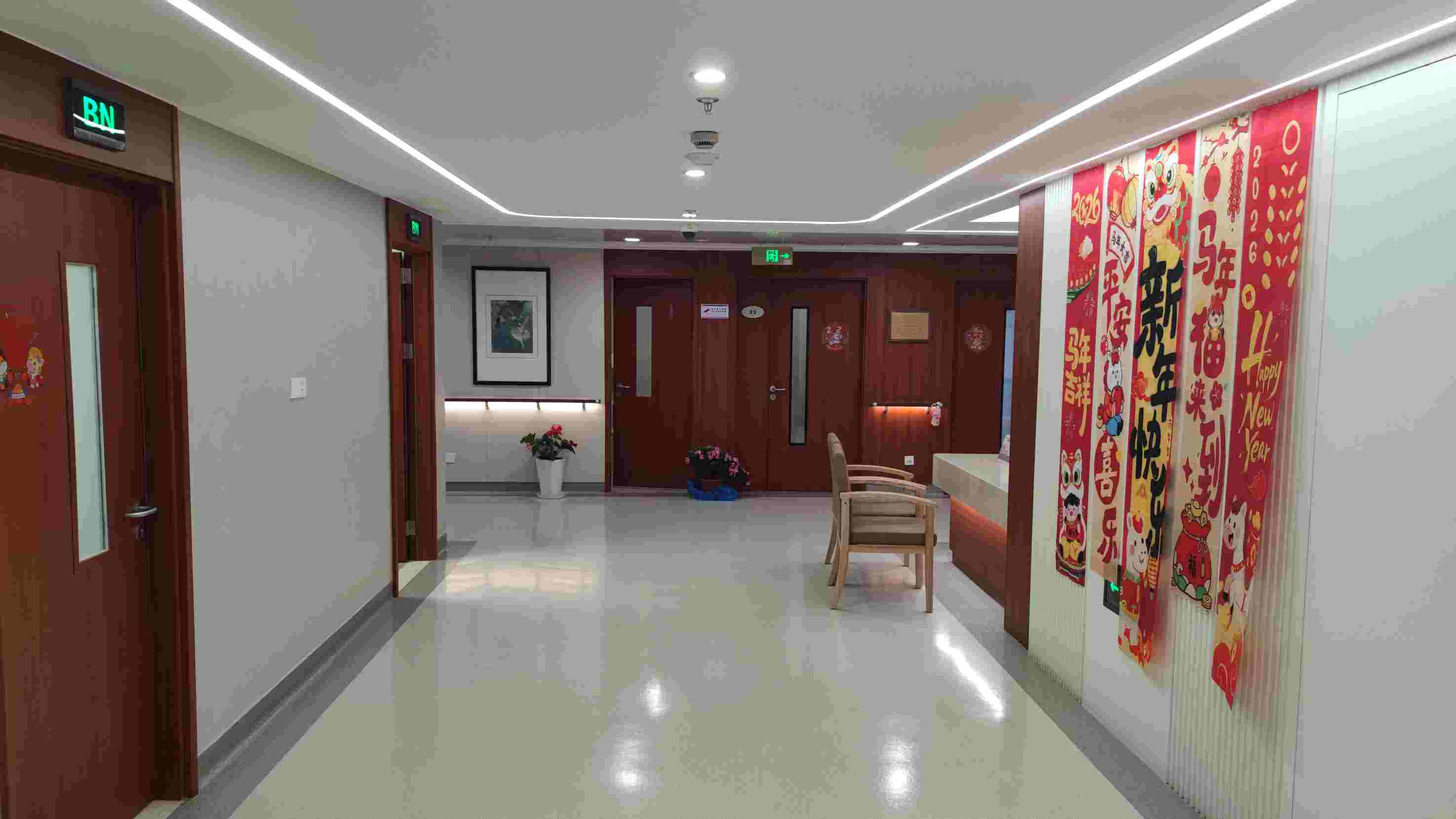
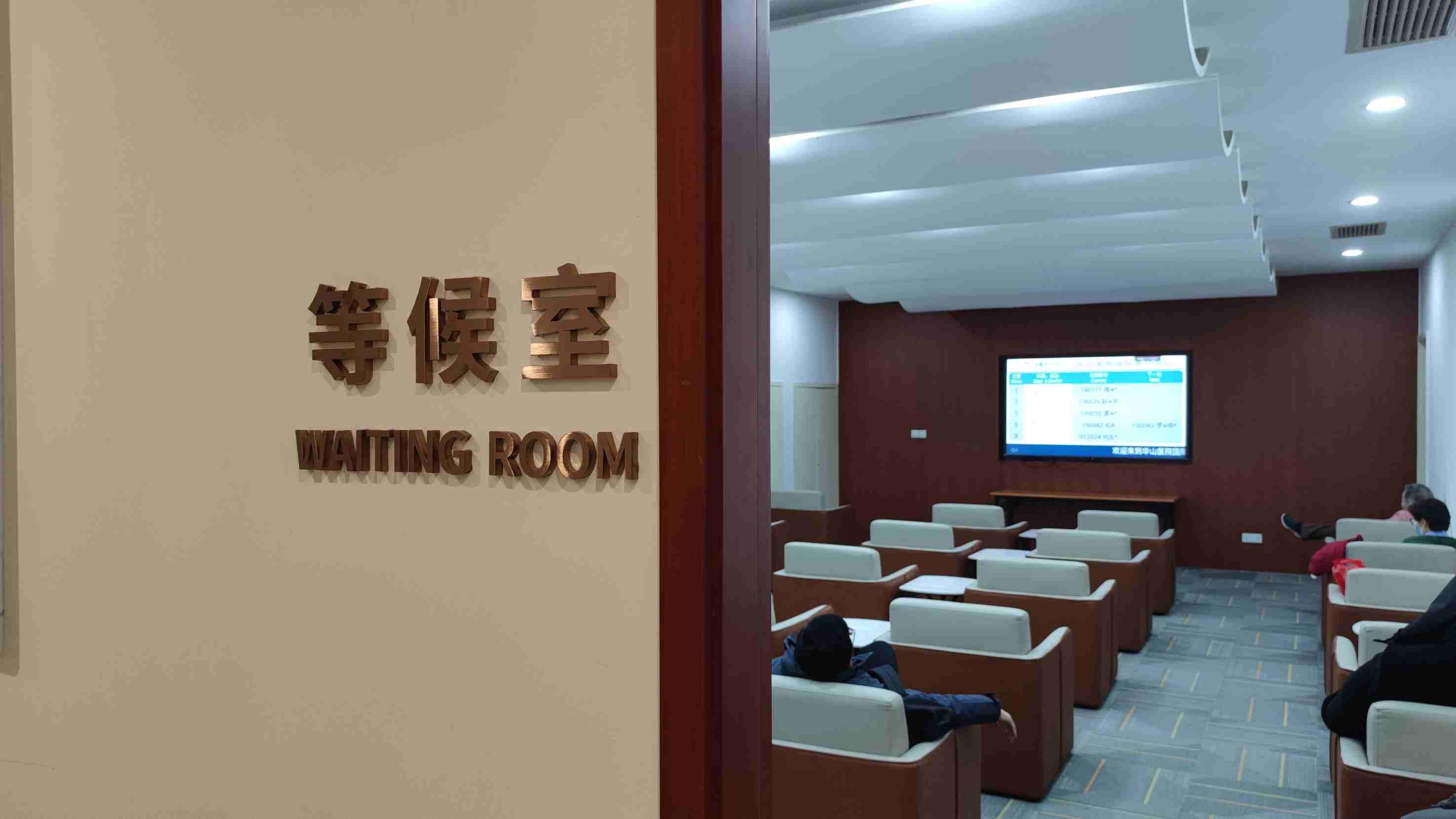
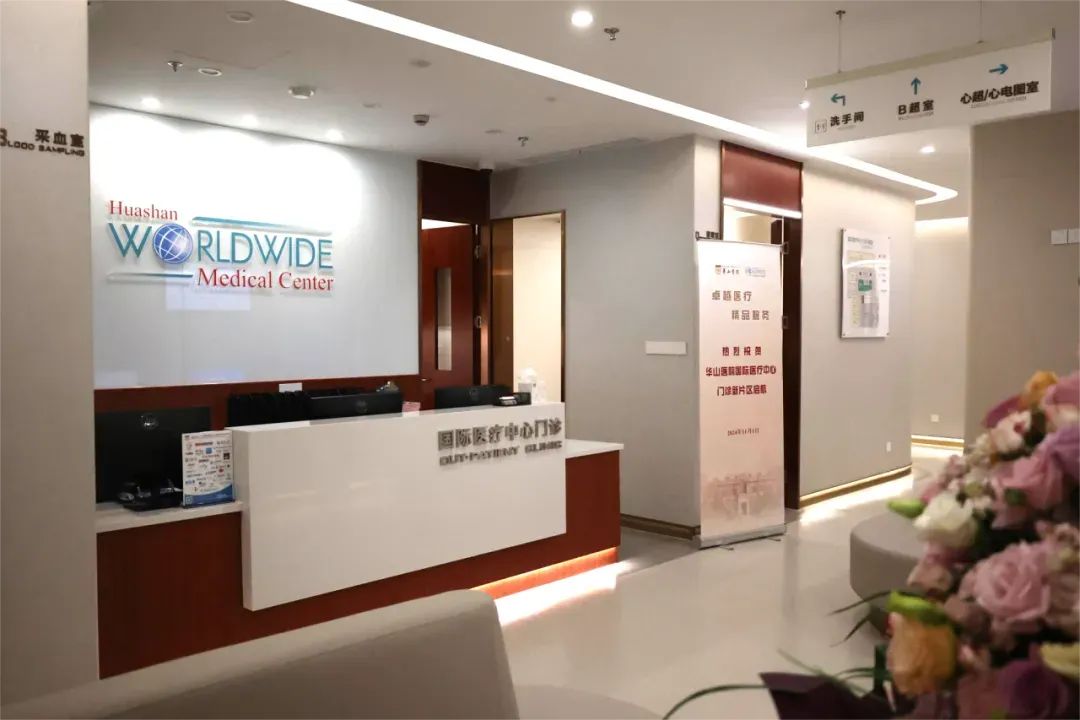
The International Medical Center includes dedicated outpatient and inpatient facilities with a total area of 3,190 square meters, designed to meet international medical service standards.
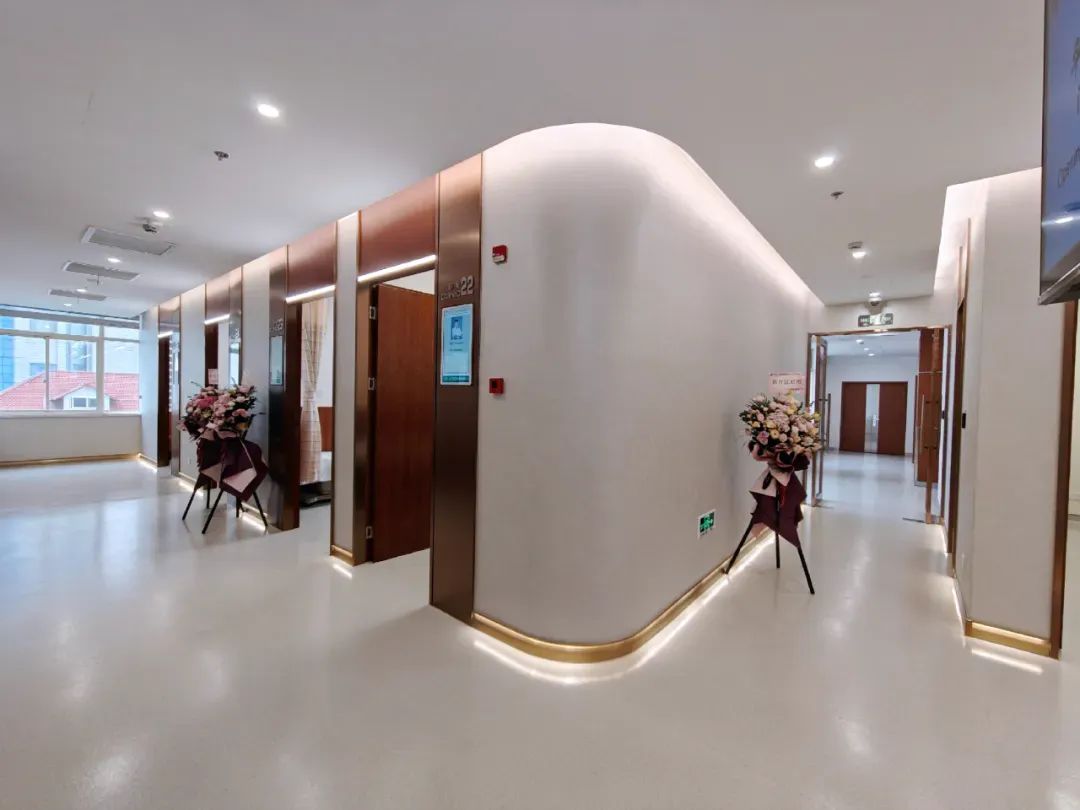
The outpatient unit features 23 private consultation rooms and on-site diagnostic capabilities including ultrasound, echocardiography, electromyography, electroencephalography, gynecological examination, and rehabilitation therapy. A one-stop patient pathway integrates appointment scheduling, consultation, diagnostics, and payment on a single floor. Facility design aligns with Shanghai's International Medical Service Standards, ensuring independent clinical zones, bilingual signage, patient navigation services, and dedicated commercial insurance service areas.
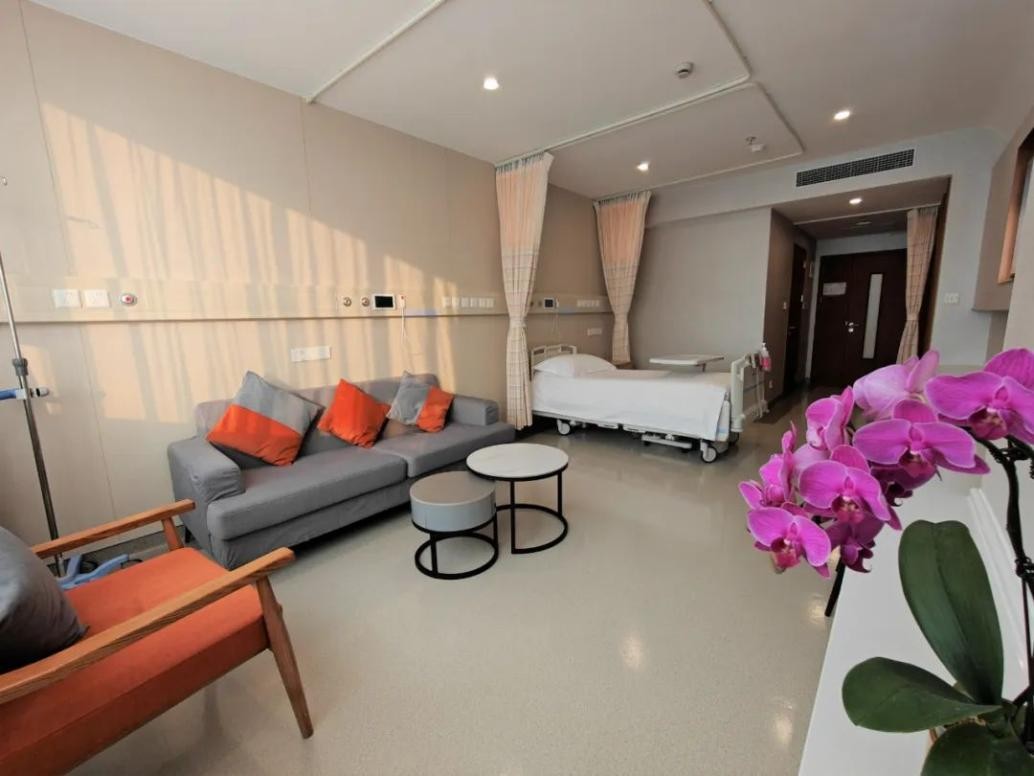
The inpatient unit includes consultation areas, 25 private rooms, and VIP suites supported by hotel-style services and centralized cardiac monitoring systems, providing a safe, comfortable, and internationally oriented care environment.
Care Model and Service Features
The IMC provides comprehensive multidisciplinary care across general medicine and specialty services through an integrated Huashan model of international healthcare delivery. This model emphasizes dedicated physician responsibility, coordinated multidisciplinary collaboration, and end-to-end patient management covering consultation, diagnostics, treatment, and follow-up.
International patients are managed by designated physicians trained in general and internal medicine, supported by a specialist consultation network. Care plans are coordinated through structured referral and co-management pathways. For inpatient care, dedicated IMC physicians and specialty experts jointly oversee treatment, ensuring continuity of care, clinical accountability, and optimized treatment decision-making.
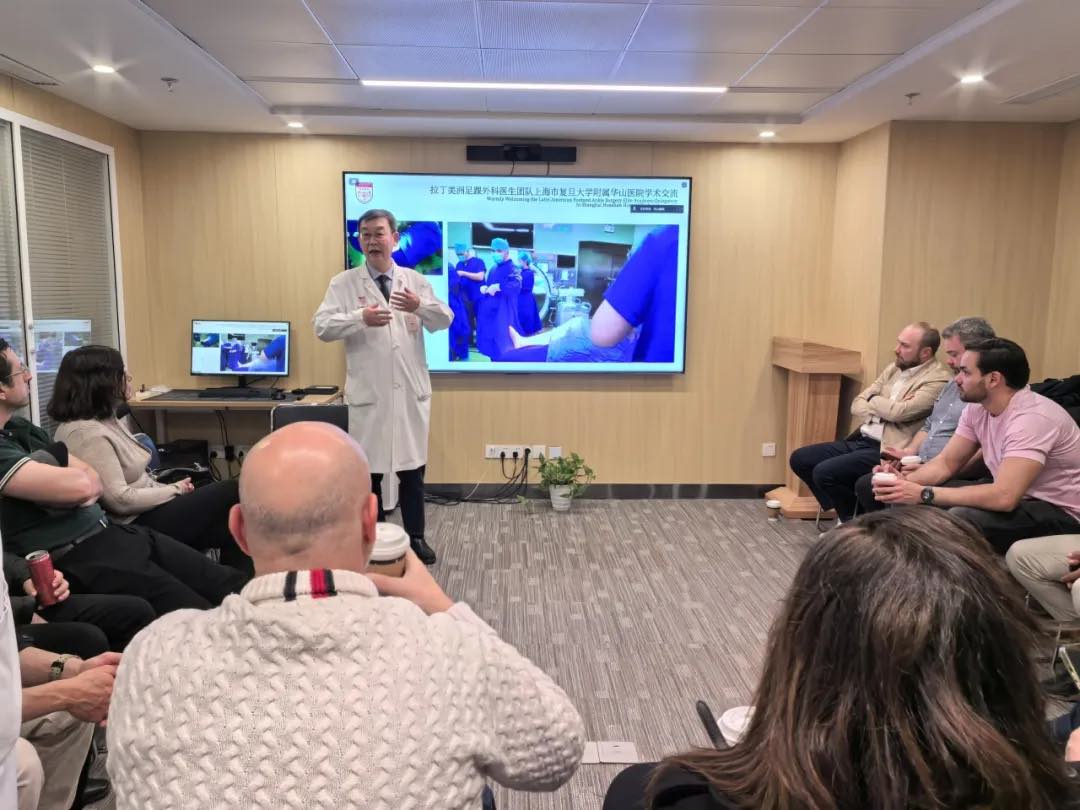
Medical teams possess strong cross-cultural communication capabilities and experience serving diverse global populations, supporting patient-centered care aligned with international expectations.
Industry Leadership and Standards Development
The IMC plays an active leadership role in advancing international healthcare standards and professional collaboration. Its leadership has established multiple national and regional professional organizations focused on international and cross-border medical services, promoting best practices and industry coordination.
The center served as the lead drafting institution for the Shanghai Local Standard for International Medical Services (DB31/T 1487-2024), officially implemented in October 2024. This represents China's first formal regional standard dedicated to international healthcare services and provides operational guidance for Shanghai's international medical tourism pilot initiatives. The standard received official municipal recognition as a Shanghai Standard in 2025, reflecting its benchmark role in healthcare service standardization.
Commercial Insurance Integration
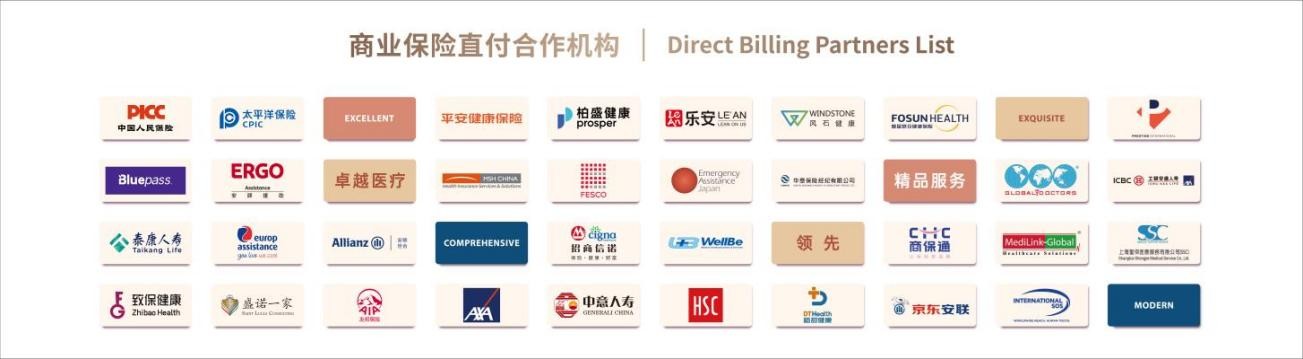
The IMC pioneered direct billing partnerships with commercial health insurers in China beginning in the early 1990s. Today, the center maintains standardized contracting and operational workflows with more than 30 insurers and third-party administrators, with cashless direct billing available through nearly 100 insurance networks.
Patients can access services through multiple appointment channels, including mobile platforms, telephone, and web-based systems. An integrated operational platform connects physicians, nurses, pharmacists, diagnostic services, and insurance processing, supporting efficient administrative workflows and transparent payment processes. Continuous collaboration with insurers supports ongoing improvement in patient experience and financial accessibility.
International Medical Support and Emergency Care
Since its establishment, the IMC has successfully managed numerous complex and critical cases involving international patients. The center serves as a designated medical provider for multiple foreign consulates in Shanghai, multinational corporations, and international insurance organizations, receiving formal recognition and commendations for clinical services.
The IMC has also provided medical support for major international events, including APEC summits, international multilateral conferences, the Shanghai World Expo, and the China International Import Expo, demonstrating strong emergency preparedness and coordinated medical response capabilities.
Education and Training
The center promotes integration between international healthcare services and general practice medicine and serves as a recognized advanced general practice training base in Shanghai.
Faculty leadership includes doctoral-level supervision in general practice, with ongoing training of postgraduate physicians. Multiple physicians serve as certified evaluators for Shanghai's general practice training programs, contributing to workforce development.
The IMC has organized sixteen consecutive international conferences and national continuing medical education programs focused on high-end healthcare service development, training more than 5,000 participants nationwide. Educational topics include global primary care systems, physician training models, clinic quality management, and cross-cultural healthcare delivery.
Research and Policy Development
The IMC is among the earliest institutions in China to conduct academic research in international healthcare services and medical tourism. Over the past five years, the center has led or completed more than ten policy, management, and standards-development research projects related to international healthcare systems, service quality indicators, health tourism strategy, and medical information system requirements.
Research outputs include policy reports, academic publications, and advisory contributions supporting the development of internationally competitive healthcare service models in China. The center functions as an institutional think tank contributing to healthcare innovation and system design.
International Medical Tourism
In 2023, the Shanghai Municipal Health Commission and Medical Insurance Bureau designated Huashan Hospital as a first-batch pilot institution for international medical tourism among selected high-level tertiary hospitals. The IMC was listed as the leading participating unit.
The center has implemented a comprehensive medical tourism development strategy including service redesign, facility upgrades, flagship specialty programs, workforce development, and expanded insurance partnerships. Progress was formally recognized during the 2024 Shanghai International Medical Tourism Pilot Review Conference.
In 2025, the IMC led a municipal initiative promoting Shanghai's international healthcare brand globally, integrating healthcare services with cultural communication strategies. This initiative marked a new phase of coordinated development combining medical excellence with international cultural engagement.
1. Appointment Methods
- 1) WeChat / App: Follow the official account “复旦大学附属华山医院”. In the menu, enter “International Medical Center”, complete registration with passport information, and then book your appointment.
- Daily slot release at 18:00: Specialist clinics can be booked up to 14 days in advance; general clinics can be booked up to 28 days in advance.
- 2) Outpatient booking phones: (+8621) 52889998 or 62483986 (Weekdays 9:00-17:00).
2. Fees & Payment
- 1) Consultation service: RMB 800-1500 (specialist).
- 2) Standard single inpatient room: approximately RMB 7000/person/day.
- 3) Surgery and treatment fees follow the basic medical service price schedule.
3. Outpatient Hours
- Monday-Friday 08:00-17:00
3. Address Info
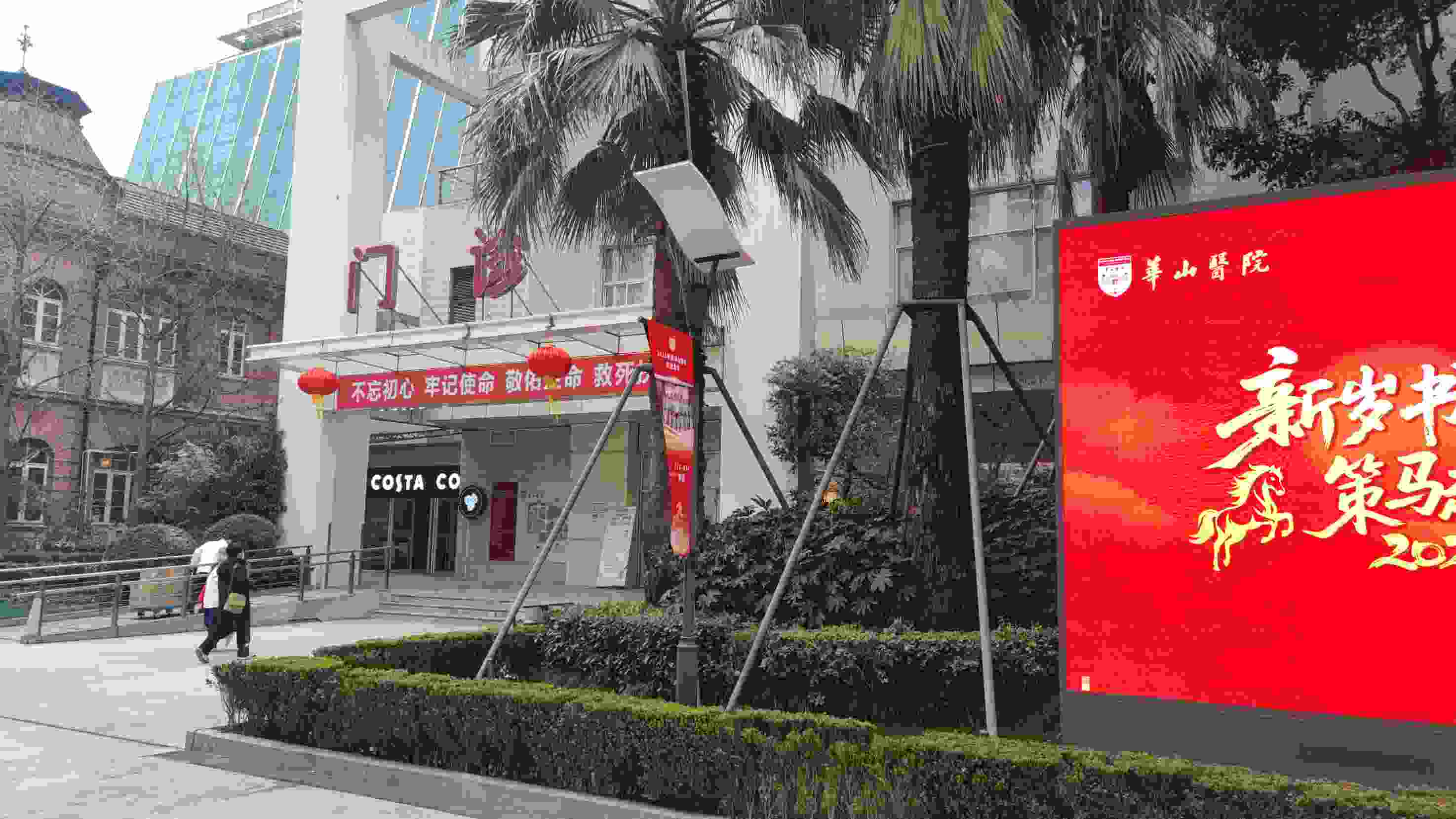
- No. 12, Middle Urumqi Road, Jing'an District, Shanghai
- Fudan University Huashan Hospital, Building 1 (South Gate)
- 1) Outpatient: International outpatient clinic in Building 1, Floor 8
- 2) Inpatient: Building 6, Floors 15-16
3. Service Languages
- Mandarin, English.